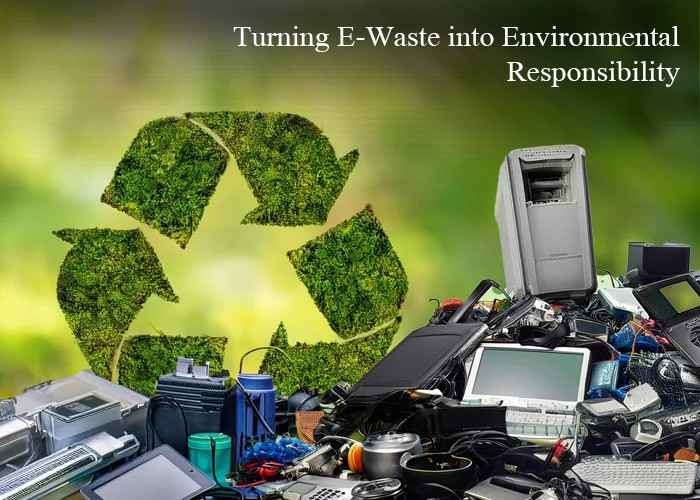
The landscape of electronic waste management is undergoing a massive transformation. As we move through 2026, the traditional "dump and forget" mentality is being replaced by sophisticated, technology-driven recovery systems. For businesses and individuals alike, understanding these trends is key to staying ahead of environmental regulations and participating in the global "Circular Economy."
Electronic waste is the fastest-growing waste stream in the world, with over 60 million metric tons generated annually. However, within that waste lies a treasure trove of raw materials. The future belongs to those who can reclaim it.
1. AI-Powered Autonomous Sorting
The most significant leap in 2026 is the integration of Artificial Intelligence and Computer Vision in recycling facilities. Traditional manual dismantling is slow and often inaccurate.
Modern facilities now use:
- Hyperspectral Imaging: Sensors that can identify the chemical composition of circuit boards, distinguishing between different grades of gold, palladium, and rare earth elements in milliseconds.
- Precision Robotics: Guided by AI, robotic arms can now perform "micro-dismantling," removing batteries and capacitors with surgical precision to avoid cross-contamination of materials.
2. The Revolution of "Urban Mining"
The cost of traditional mining—extracting minerals from the earth—has skyrocketed due to energy costs and environmental damage. "Urban Mining"—the process of reclaiming metals from discarded electronics—is now mathematically more profitable.
A single ton of circuit boards contains up to 100 times more gold than a ton of gold ore. In 2026, urban mining has matured into a standard industrial practice, with specialized refineries focused on extracting high-purity lithium, cobalt, and neodymium from spent batteries and hard drives to fuel the next generation of electric vehicles.
3. Hydrometallurgical Material Recovery
Gone are the days of primitive smelting, which released toxic fumes into the atmosphere. The future of recycling lies in Hydrometallurgy. This process uses aqueous chemistry (acidic or alkaline solutions) to dissolve and extract metals from electronic scrap at a molecular level.
This method results in:
- Zero-Emission Processing: Closed-loop systems that capture all chemicals for reuse.
- 99% Recovery Rates: Reclaiming almost every atom of precious metal from a device.
- Lower Energy Costs: Chemical extraction requires significantly less heat than traditional furnaces.
Why This Matters for Your Business Strategy
For corporations, these innovations mean that e-waste is no longer just a "waste problem"—it is a corporate social responsibility (CSR) and resource management opportunity.
Sustainable ESG Scoring
By partnering with advanced recyclers like Redit E-Waste, companies can significantly improve their Environmental, Social, and Governance (ESG) scores. Tracking the "Life Cycle Assessment" (LCA) of your IT assets becomes a powerful marketing tool, proving to stakeholders that your business is truly green.
Certified Traceability
In 2026, transparency is mandatory. Certified recyclers now provide Block-Chain Verified Disposal Certificates, ensuring that every gram of your corporate e-waste is tracked from collection to final material recovery.
Conclusion: Partner with the Future
At Redit E-Waste, we leverage these modern trends to provide the most efficient and eco-friendly disposal services in Chennai. Join us in building a sustainable digital future that protects our planet for the next generation.